 EN
EN  FR
FR  ES
ES 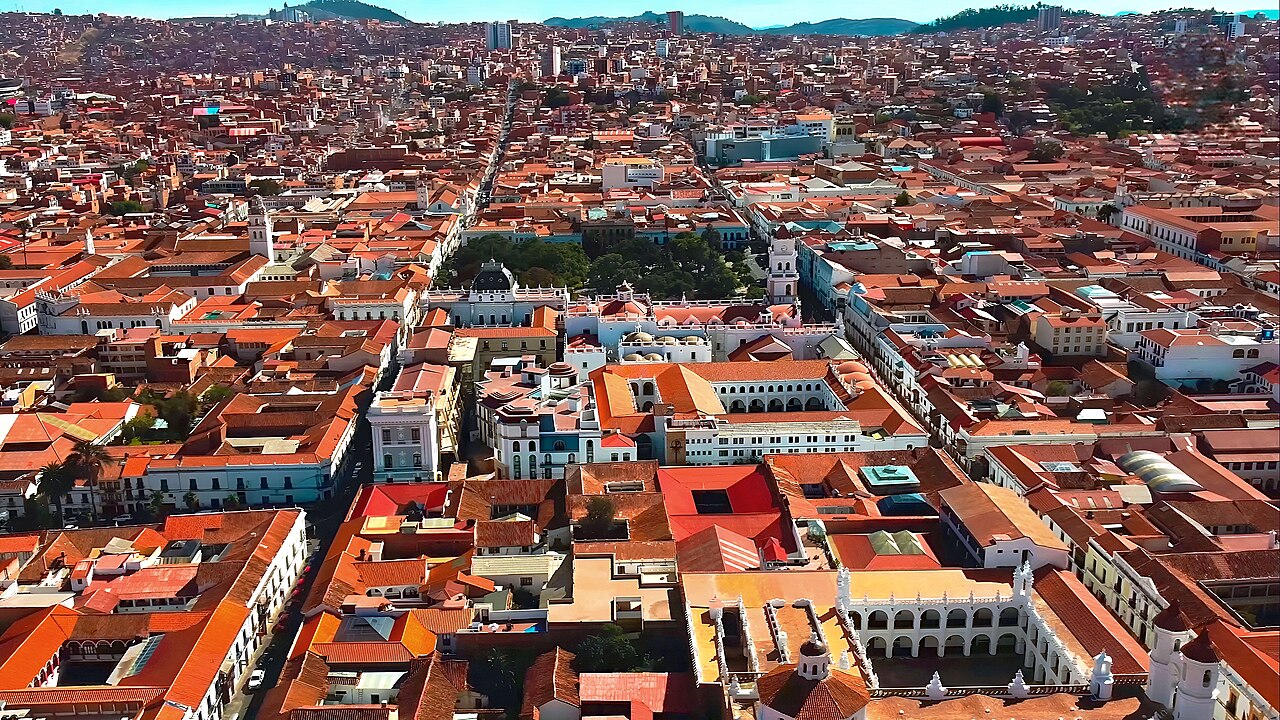

Quick facts
Hotels in Sucre
Airports in Sucre
Sucre is served by Aeropuerto Internacional de Alcantarí, which provides air access to Bolivia's constitutional capital. The city also has Grupo Aéreo de Caza 67, reflecting the region's aviation infrastructure. See all airports →
Car Hire in Sucre
Sucre offers car hire services for visitors looking to explore the city and surrounding areas at their own pace. Local providers such as BIZ RENT A CAR make it convenient to arrange vehicle rentals for your stay. See all car hire →
Things to Do in Sucre
Sucre offers visitors a range of cultural and historical attractions to explore. From the Museo del Tesoro and Museo Universitario de Anatomia to significant landmarks like Antonio José de Sucre and Bernardo Monteagudo, there are numerous ways to experience the city's rich heritage. See all things to do →
Restaurants in Sucre
Sucre offers a variety of dining experiences for visitors and locals alike. From casual cafés like Cosmo Café Restaurant to other established eateries such as Pueblo Chico and Bunsik Son, the city provides options to suit different tastes and occasions. See all restaurants →
Swimming Pools in Sucre
Spas in Sucre
Nightlife in Sucre
Sucre's nightlife scene offers visitors and locals a chance to experience the city after dark. Venues like Stigma provide options for evening entertainment in Bolivia's constitutional capital. See all nightlife →
Bars in Sucre
Sucre's bar scene offers a variety of venues for visitors and locals alike. From casual spots like Bibliocafe Classic and Klasicos to rooftop experiences at Terraza 625 and international flavours at Café Bar Mediterráneo, there are options to suit different tastes and atmospheres. See all bars →
Cafes in Sucre
Sucre's cafe scene offers a variety of spots to enjoy coffee and refreshments throughout the city. From established venues like Capital and Metro Café to unique options such as Coffee Bike and La Torre Cafe Mirador, there are plenty of places to relax and experience local hospitality. See all cafes →
Shopping in Sucre
Sucre offers shopping opportunities for visitors exploring Bolivia's constitutional capital. Local shops like SAS provide options for retail needs in the city. See all shopping →
Nature & Wildlife in Sucre
Sucre's natural spaces blend seamlessly with its historic character. From the verdant Plaza 25 de Mayo to the surrounding plazas like Plaza San Francisco and Plazuela Jaime de Zudáñez, the city offers green areas where visitors can experience the local flora and observe wildlife in the heart of this colonial capital. See all nature & wildlife →
Climate snapshot
Sucre's high altitude of 2,790 metres gives the city a subtropical highland climate with cool temperatures year-round. The elevation creates mild, temperate conditions throughout the seasons, making it comfortable for visitors despite its lofty position.
Interesting Facts About Sucre — Weird & Wonderful
- Sucre is the second-highest capital city in the world, with an elevation of 2,790 metres (9,150 ft), surpassed only by Quito.
- The city has been known by multiple names throughout history, including La Plata, Charcas, and Chuquisaca.
- The region is predominantly of Quechua background, with some Aymara communities and cultural influences.
- Sucre is the sixth most populous city in Bolivia.
Frequently Asked Questions About Sucre
What is Sucre's official status in Bolivia?
Sucre is the de jure capital city of Bolivia and serves as the capital of Chuquisaca Department.
How high is Sucre above sea level?
Sucre sits at an elevation of 2,790 metres (9,150 ft), making it the second-highest capital city in the world after Quito.
What languages are spoken in Sucre?
The region is predominantly of Quechua background, with some Aymara communities. Spanish is also widely spoken as it is Bolivia's official language.
What is Sucre's climate like?
Sucre has a subtropical highland climate with cool temperatures year-round due to its high altitude.
What historical names has Sucre had?
The city has been known as La Plata, Charcas, and Chuquisaca throughout its history before being named Sucre.