 EN
EN  FR
FR  ES
ES 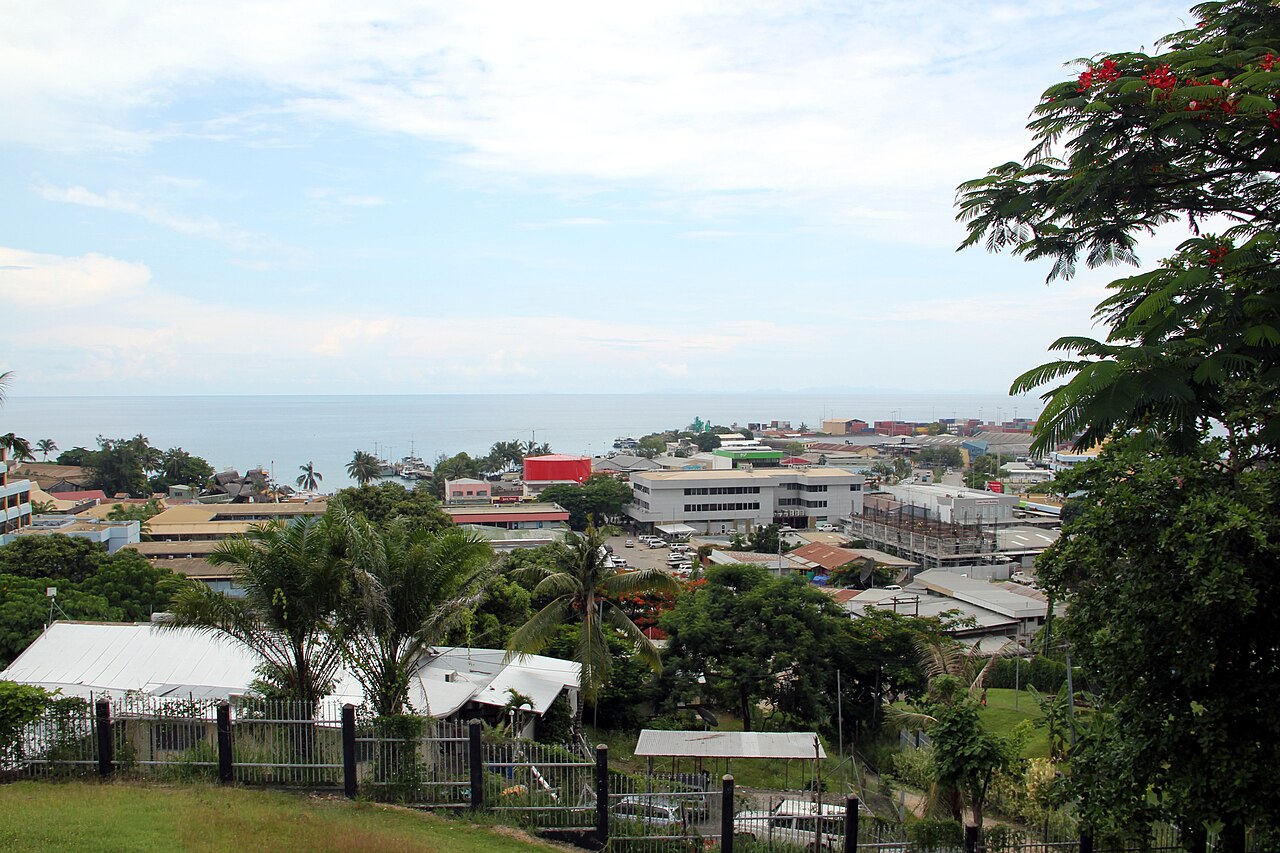

Quick facts
Population
129,569 (city)
Currency
Solomon Islands dollar (SBD)
Language
English
Timezone
+11 (UTC+11)
Local time now
22:15:55
Hotels in Honiara
Solomon Kitano Mendana Hotel
King Solomon Hotel
Heritage Park Hotel
Airports in Honiara
We're still gathering airports listings for Honiara — check back soon.
Car Hire in Honiara
We're still gathering car hire listings for Honiara — check back soon.
Things to Do in Honiara
We're still gathering things to do listings for Honiara — check back soon.
Restaurants in Honiara
We're still gathering restaurants listings for Honiara — check back soon.
Swimming Pools in Honiara
We're still gathering swimming pools listings for Honiara — check back soon.
Spas in Honiara
We're still gathering spas listings for Honiara — check back soon.
Nightlife in Honiara
We're still gathering nightlife listings for Honiara — check back soon.
Bars in Honiara
We're still gathering bars listings for Honiara — check back soon.
Cafes in Honiara
We're still gathering cafes listings for Honiara — check back soon.
Shopping in Honiara
We're still gathering shopping listings for Honiara — check back soon.
Nature & Wildlife in Honiara
We're still gathering nature & wildlife listings for Honiara — check back soon.
Climate snapshot
Honiara experiences a tropical climate characteristic of the Solomon Islands region. The city enjoys warm weather year-round, with a wet season bringing higher rainfall and humidity, while drier periods offer more temperate conditions.
Interesting Facts About Honiara — Weird & Wonderful
- Honiara is served by Honiara International Airport and the seaport of Point Cruz, making it the main transportation gateway to Solomon Islands.
- The city lies along the Kukum Highway, a key route through the capital territory.
- In 1983, Honiara was proclaimed a capital territory comprising a 22 square-kilometre metropolitan area with self-governing status akin to a province.
- The city retained its role as capital of Guadalcanal Province while also serving as the national capital.
Frequently Asked Questions About Honiara
What currency is used in Honiara?
The Solomon Islands dollar is the official currency used in Honiara and throughout the country.
What is the population of Honiara?
As of 2019, Honiara had a population of 129,569 people, making it the largest city in Solomon Islands.
What is the timezone in Honiara?
Honiara operates on Pacific/Guadalcanal timezone.
How do I get to Honiara?
Honiara is served by Honiara International Airport for air travel and the seaport of Point Cruz for sea arrivals.
What region is Honiara located in?
Honiara is situated on the northwestern coast of Guadalcanal and is the capital of both Solomon Islands and Guadalcanal Province.